History of Krav Maga
From 1910 to todayHow a young athlete from Bratislava created one of the world’s most practical self-defence systems, and how it came to West Gosford.
The story
From the streets of Bratislava to the IDF, and now to West Gosford.
Why we’re called Close Combat
In Hebrew, krav means combat and maga means contact, so Krav Maga translates as “contact combat”. That meaning is where our club name comes from: Close Combat.
Tap a year, or use the arrows, to move through the story.
- 1910
Born in Budapest
Imi Lichtenfeld is born in Budapest on 26 May 1910 and grows up in Bratislava, then part of Czechoslovakia. His father, Samuel, a former circus acrobat who became a chief inspector in the Bratislava police, runs a gym where he teaches self-defence. Imi starts training there as a boy.
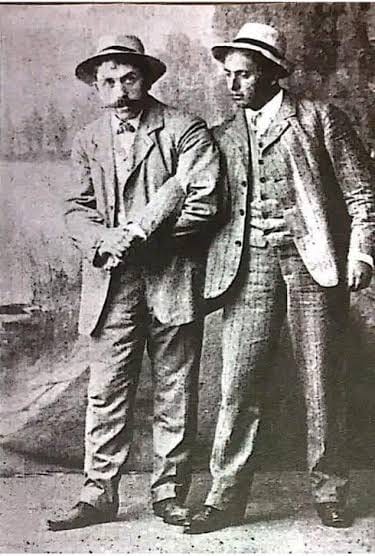
Imi’s father, Samuel Lichtenfeld (left), demonstrating an armlock in Bratislava. - 1920s–30s
A gifted athlete
Encouraged by his father, Imi takes up swimming, boxing, wrestling and gymnastics. Wrestling is where he shines most, winning awards as both a competitor and a trainer.
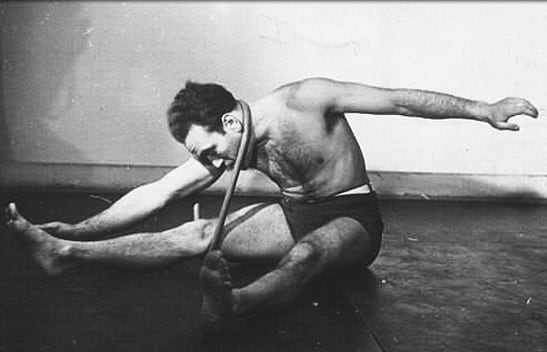
A young Imi training. - Mid-1930s
Defending his community
As fascism and anti-Semitism spread through Europe, gangs begin attacking Bratislava’s Jewish neighbourhood. Imi leads a group of Jewish boxers and wrestlers to protect it. In these real street fights he learns a hard lesson: sport techniques and rules don’t hold up against multiple attackers, weapons and surprise attacks. That lesson becomes the foundation of Krav Maga.
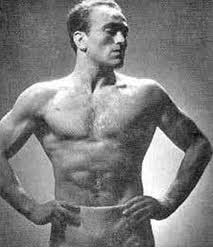
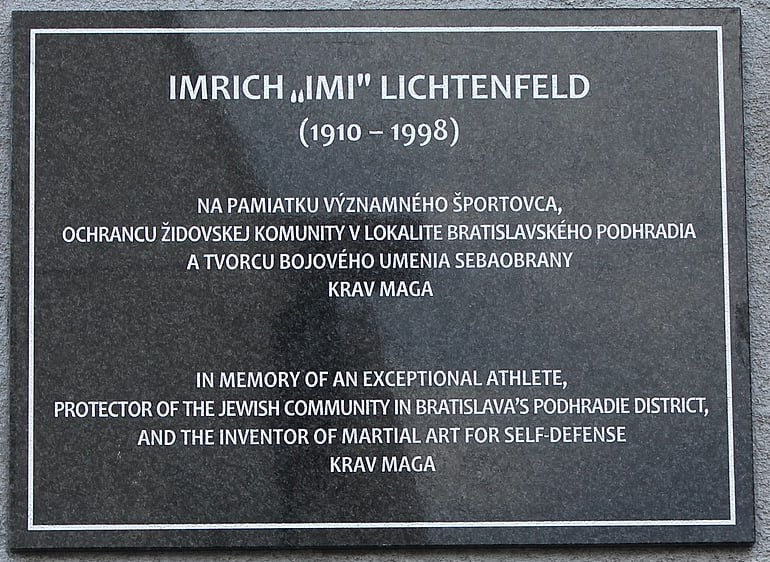
Imi as a young athlete, and the Bratislava plaque that remembers him as an “exceptional athlete” and “protector of the Jewish community”. Plaque photo: Jan Polák, CC BY-SA 3.0 - 1940–1942
Escape from Europe
In 1940, now a marked man, Imi escapes Nazi-occupied Europe on the Pentcho, one of the last refugee ships to get out. It is wrecked in the Greek Dodecanese islands, but he survives and eventually reaches Palestine, later Israel, in 1942.
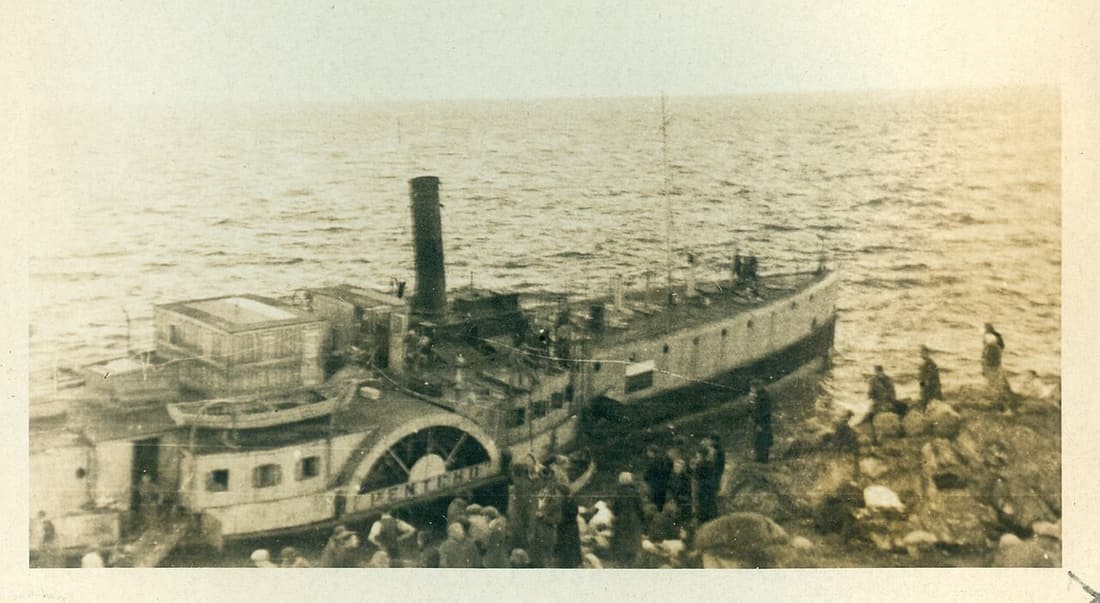
The Pentcho and its refugees on an Aegean island shore, 1940. Photo: public domain - 1944
The Haganah and the Palmach
Imi joins the Haganah, the Jewish defence force that would go on to become the IDF (Israel Defence Forces). From 1944 he trains fighters in its elite strike force, the Palmach, including its naval unit the Pal-Yam, as well as police officers. He teaches physical fitness, swimming, wrestling, knife defence and hand-to-hand combat, known at the time as Kapap, short for “face-to-face combat”.
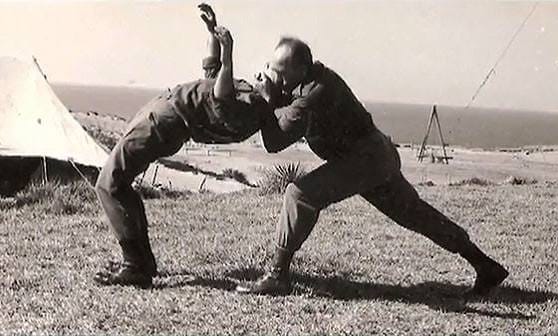
Imi training a soldier in hand-to-hand combat. - 1948–1964
Krav Maga is born in the IDF
When the State of Israel is founded in 1948, the Haganah and the Palmach come together to form the IDF, and Imi becomes its Chief Instructor of Physical Fitness and Krav Maga. He blends the separate fighting skills of the Haganah days into one simple system, built on natural movements and instinctive reactions, that soldiers from any background can learn quickly and use under stress. This system becomes known as Krav Maga.
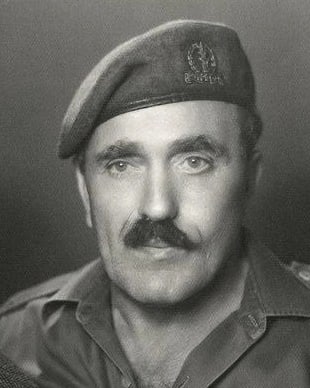
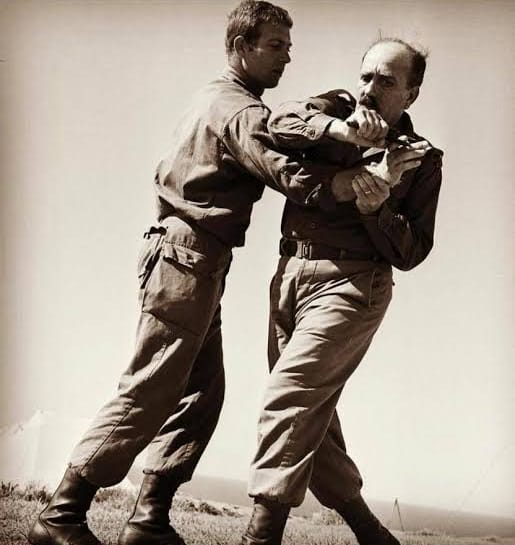
Imi as the IDF’s Chief Instructor, and teaching a soldier. - 1964 onwards
Krav Maga for everyone
After retiring from the military, Imi adapts Krav Maga for everyday people: men, women and children of every age, size and fitness level. He opens schools in Tel Aviv and Netanya and trains teams of instructors, and the focus shifts from the battlefield to self-defence: avoiding danger, escaping and getting home safely. In his words, Krav Maga is “so that one may walk in peace.”
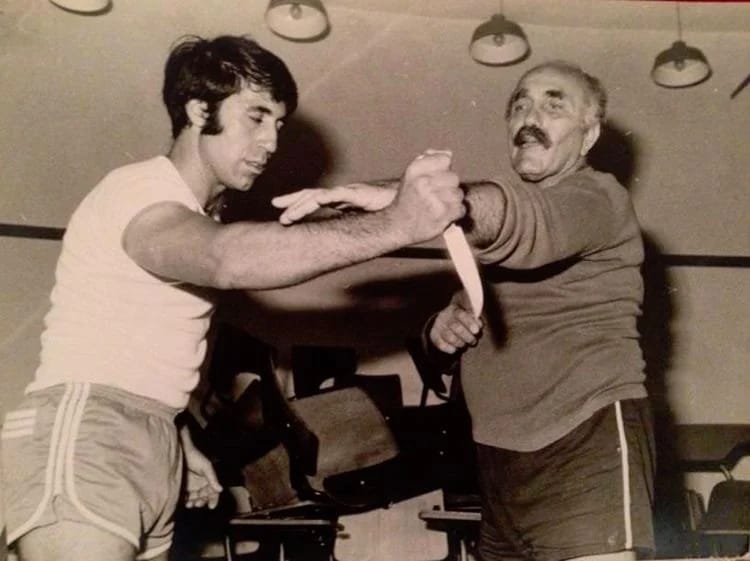
Imi teaching knife defence to a civilian student. - The name
Krav Maga: contact combat
Imi’s system becomes known as Krav Maga, Hebrew for “contact combat”: krav means combat and maga means contact. The name sums up what it is: real-world self-defence for when things get up close and personal, not a sport with rules. It’s also where our club gets its name. When we opened, we chose Close Combat in honour of Krav Maga’s meaning.
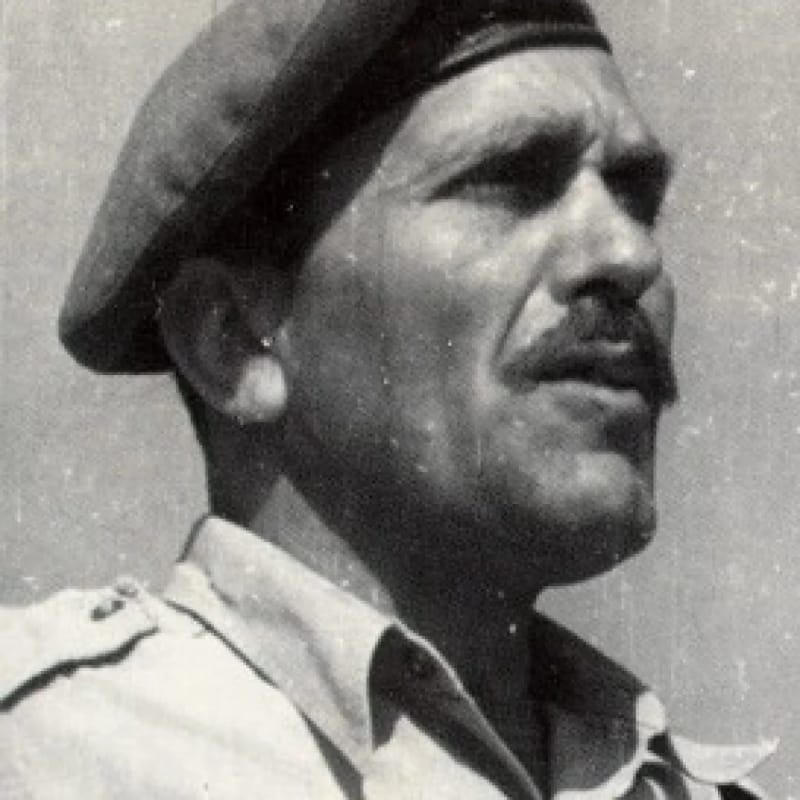
Imi in the IDF. - 1978
The Israeli Krav Maga Association
Imi founds the Israeli Krav Maga Association to grow his system and train the next generation of instructors. He keeps teaching senior students and instructors, in Israel and abroad, for the rest of his life.
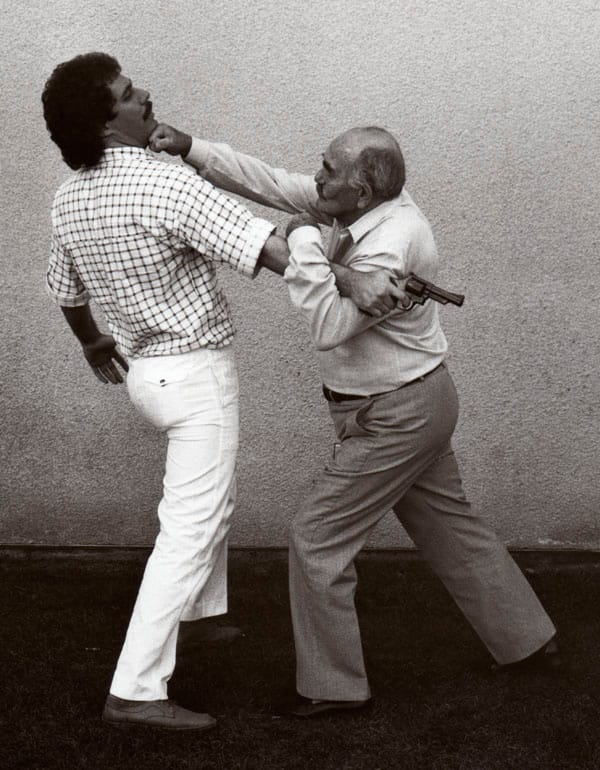
Imi demonstrating a handgun defence. - 1996
The IKMF is formed
As Krav Maga spreads around the world, Imi’s senior students form the International Krav Maga Federation (IKMF) with his blessing, to teach his system worldwide and keep its standards high. Today the IKMF is the largest Krav Maga organisation in the world, active in more than 100 countries.
The original IKMF logo (left) and the logo today. - 1998
Imi’s legacy
Imi passes away in Netanya on 9 January 1998, at the age of 87. His system lives on: Krav Maga is still taught in the IDF today, and is used by military, law enforcement and VIP protection services in many countries around the world, as well as by everyday people who simply want to stay safe.
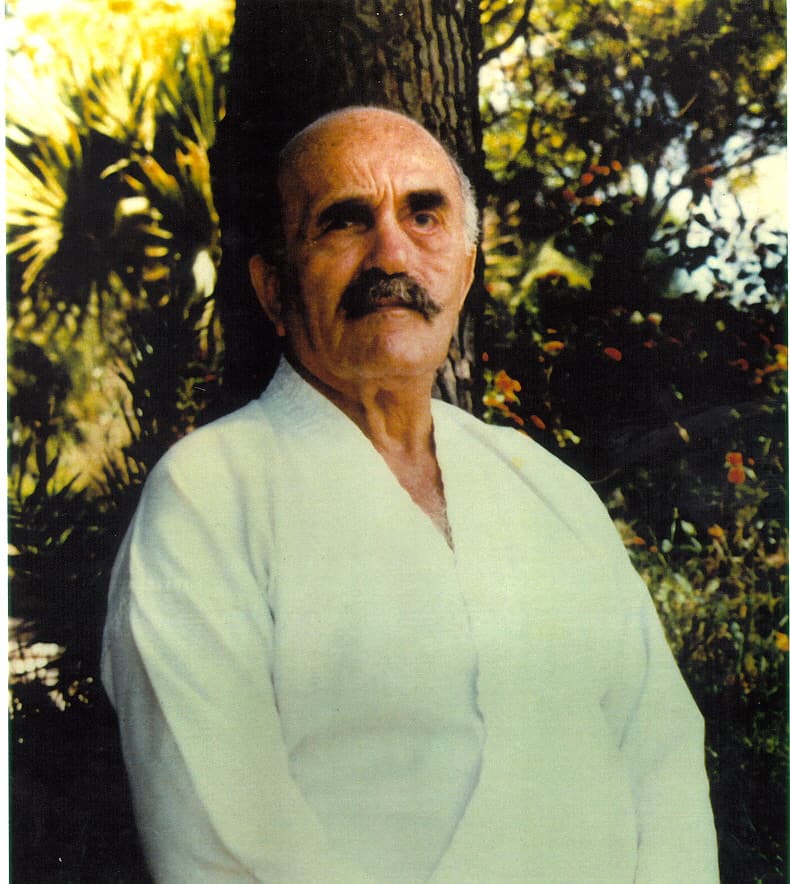
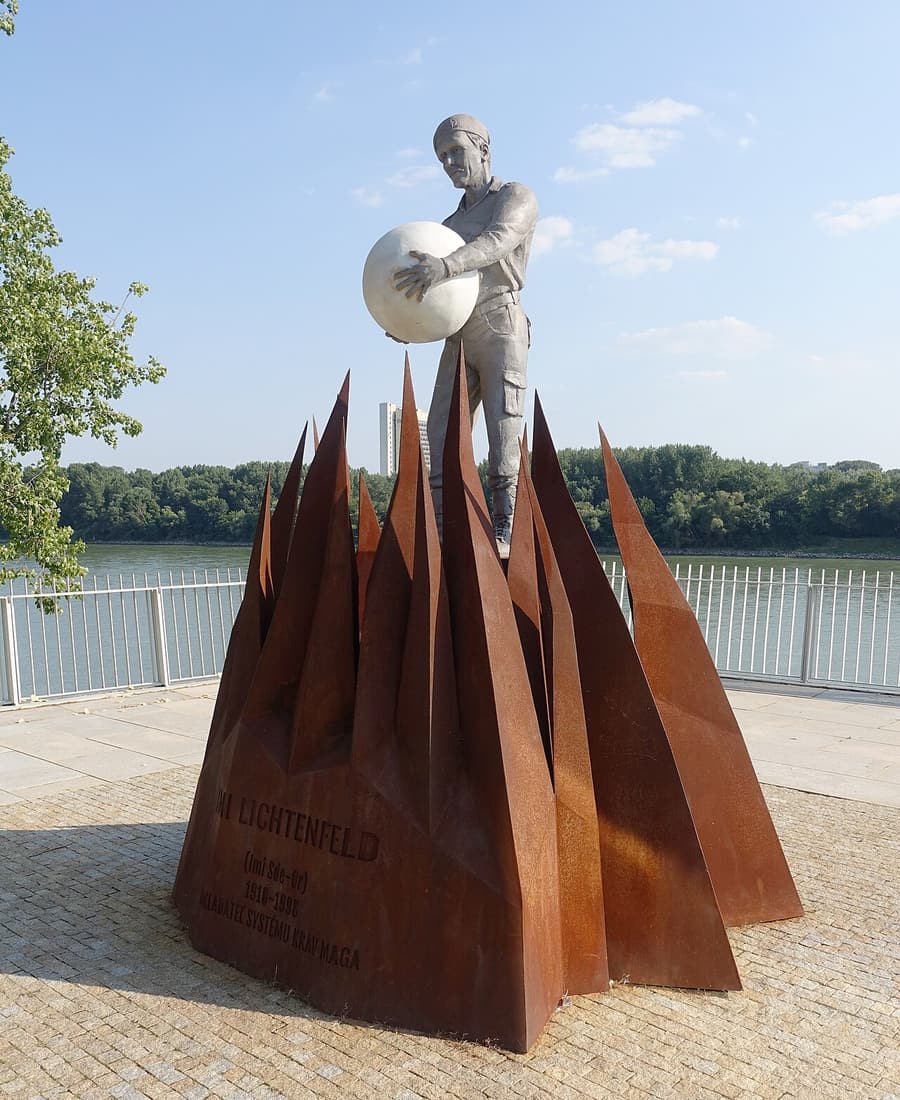
Imi Lichtenfeld (Imi Sde-Or), 1910–1998, and his statue beside the Danube in Bratislava. Statue photo: Rios, CC BY-SA 4.0. Portrait: public domain - 2013
Close Combat opens
Close Combat Krav Maga (CCKM) opens its doors at 2/8 Bowen Crescent, West Gosford, in a brand new, purpose-built training facility. Proudly part of the IKMF, CCKM brings authentic Krav Maga to the Central Coast for kids, juniors and adults, alongside fitness classes and personal training.
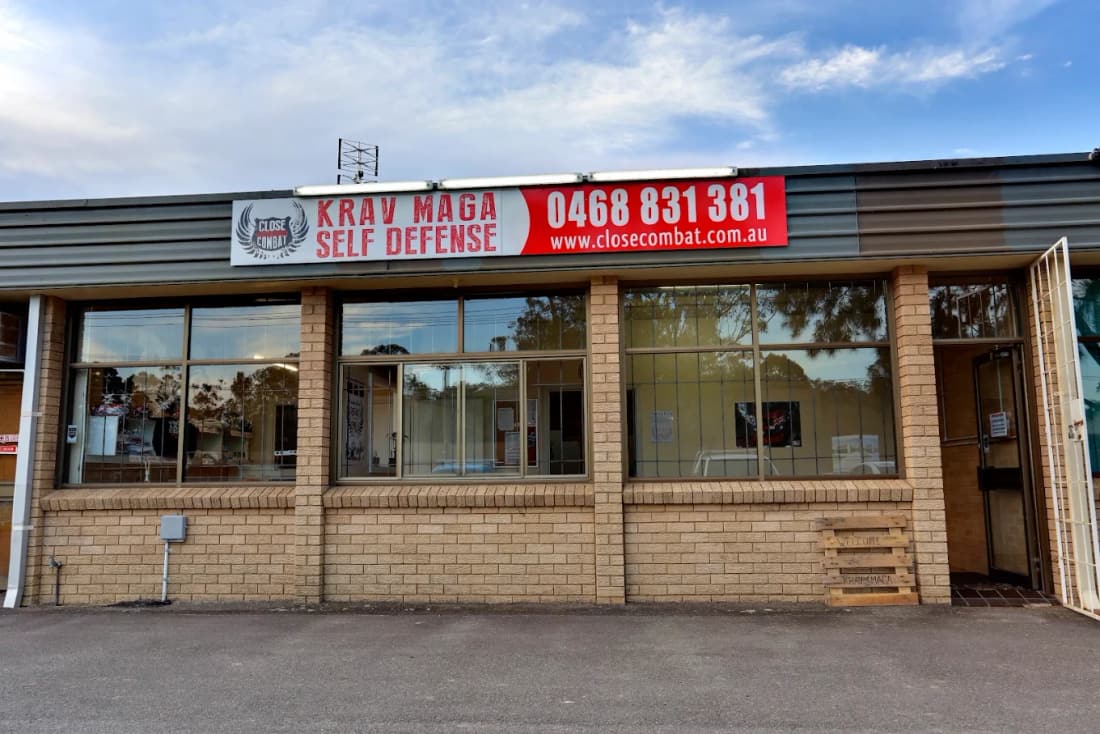
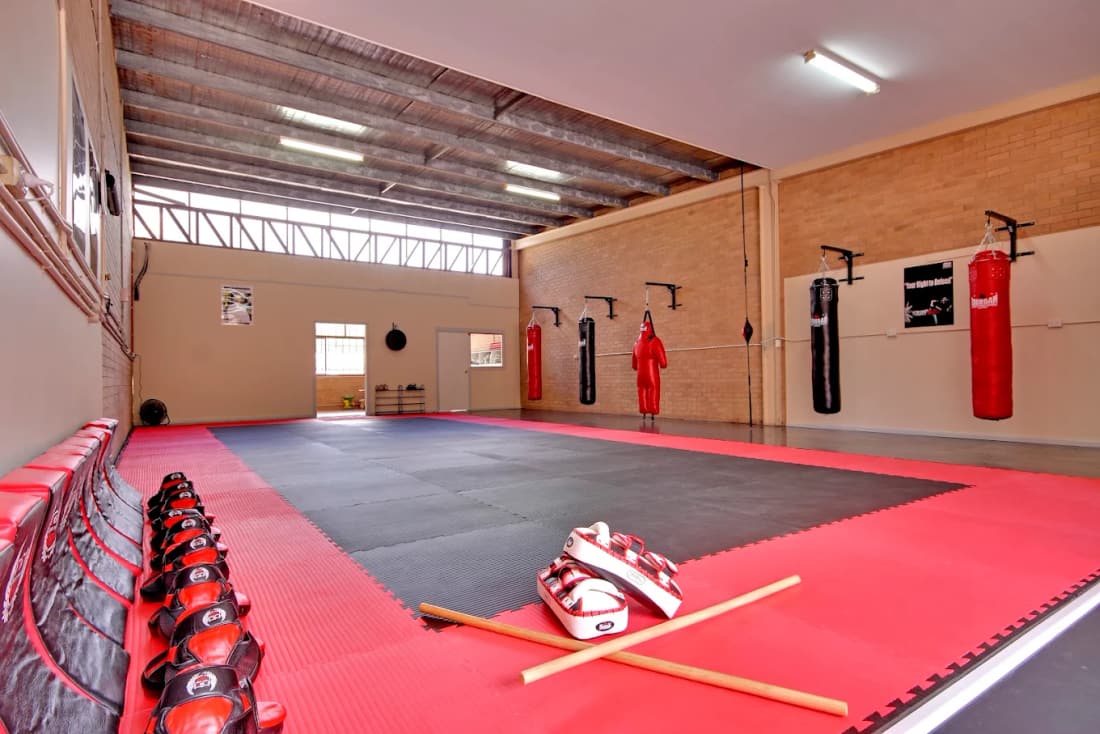
Our new home in West Gosford, 2013. - Today
Close Combat today
More than a decade on, CCKM is a close-knit club of kids, teens and adults who train together like family. Alongside Krav Maga for every age, we now run Women’s Only Stay Away, Teen Girls BeStrong, Gold Class, FightIQ, NoCAGE MMA, Bootcamp, StrikeFit, DropShot and personal training. Still proudly part of the IKMF and IKMF Australia, we pass on the system Imi created, so that everyone who trains with us can walk in peace.
Training at CCKM today.
We’ll sit down with you and go through our membership options in detail. We have a few, so together we’ll find the one that best suits your goals and your schedule. No pressure, and no guesswork.